Ten Ways to Improve Your Happiness (That Actually Work)

"Happiness is not something ready-made. It comes from your own actions." — Dalai Lama
That quote sits with me because it gets at something most happiness advice misses entirely. We talk about happiness as though it's a state you either have or don't have. Something that arrives when circumstances cooperate. Something you find when you finally get the relationship, the career, the body, the life that looks right. Something that happens to you.
But happiness is not a destination you reach. It's not a reward for achieving the right things. And it's definitely not something waiting for you at the end of a timeline you haven't hit yet.
Happiness is something you build. Something you create, daily, through the choices you make, the perspectives you practice, and the relationship you develop with yourself and your own inner life.
I know this from my own experience. I spent years in my 20s chasing a version of happiness that was always somewhere ahead of where I was. Always contingent on something I didn't yet have. And I was miserable in the chasing. Not because the things I wanted were wrong. But because I had outsourced my happiness to circumstances I couldn't control and milestones I hadn't reached. And happiness that depends on external circumstances is always precarious, always a little out of reach, always requiring just one more thing before it can finally arrive.
When I stopped waiting for the right circumstances and started actively building a life that felt genuinely good from the inside, everything changed. This article is about the ten practices that made the most difference. Not theoretical. Not abstract. Things that actually work because they address how happiness is genuinely built.
1. Cultivate Your World Deliberately
Every day, your life is shaped by the inputs you receive and the company you keep. And you have significantly more influence over both of those than most people exercise.
Think about the people in your life. After spending time with certain people, you consistently feel more energized, more like yourself, more genuinely good. After spending time with others, you feel drained, smaller, or vaguely worse about yourself without quite being able to name why. Both of those patterns are real information about what genuinely nourishes you and what depletes you.
Most people notice these patterns and then ignore them, because choosing deliberately feels uncomfortable or rude or like too much to ask for. But investing more of your time and energy in the relationships that lift you is not selfishness. It is basic self-stewardship. And the cumulative effect of consistently choosing nourishing company over depleting company on your daily sense of happiness is profound.
The same applies to your digital environment. The accounts you follow on social media, the content you consume, the information you allow to shape your perception of the world and yourself. Every scroll is either building your sense of what's possible and good or quietly eroding it. Curating your feeds to reflect what genuinely uplifts rather than what deflates is not vanity or avoidance. It's taking your own mental environment seriously.
You cannot control the whole world. But you can shape your world deliberately. The version of it you inhabit every day is, more than most people realize, up to you.
2. Embrace Regrets as Teachers
Regrets are one of the quietest and most persistent sources of unhappiness for a lot of women. The things you did that you wish you hadn't. The things you didn't do that you wish you had. The choices that led somewhere painful. The paths not taken that you still wonder about.
The conventional advice is to have no regrets. Just let them go. Move on. But that advice bypasses something real. Regrets point at things that genuinely mattered to you. They deserve acknowledgment rather than dismissal.
What they don't deserve is the ongoing weight of self-blame and shame that most people carry them with.
Here is the reframe that actually helps. At the moment you made those choices, you were doing the best you could with what you had. The information you had at the time. The emotional resources you had available. The circumstances you were navigating. That version of you was not failing. She was trying.
Acknowledging that doesn't mean pretending the consequences didn't matter or that you wouldn't choose differently now. It means holding your past self with the same compassion you'd extend to a close friend who was describing the same situation. Understanding rather than condemnation. Learning rather than ongoing punishment.
When you can look at a regret and ask what did this teach me rather than why did I do that, the regret shifts. It becomes information rather than evidence against you. It becomes a part of your story that helped shape who you are rather than a permanent verdict on your worth.
That shift, practiced consistently, releases an enormous amount of the low-grade suffering that unprocessed regret generates.
3. Question Your Assumptions Before They Run Away With You
You walk into work and a colleague barely acknowledges you. Within seconds your mind has constructed a story. She's angry with you. You said something wrong last week. She's probably been talking about you. Maybe your job is in danger.
You text a friend and she doesn't reply promptly. The story begins. She's pulling away. You must have done something. Maybe she doesn't really value the friendship. Maybe you're just not that important to people.
Neither of those stories is based on evidence. They're based on assumptions, on the mind's habit of filling in ambiguous information with a narrative, and usually with the most self-critical narrative available.
Assumptions are one of the quietest and most reliable generators of unnecessary suffering. They convert neutral events into evidence of your fears. They transform an unanswered text into a rejection narrative without a single piece of actual information to support it.
The practice that genuinely helps is simple but requires consistent application. When you catch yourself mid-story, pause. Ask: do I actually know this? What else might explain this same situation? Your colleague might have been running late, preoccupied with something entirely unrelated to you, or simply having an off morning. Your friend might be busy, distracted, or in a meeting. The story that it's about you is almost always one of several possible explanations and rarely the most likely one.
Building the habit of questioning assumptions before they spiral not only reduces unnecessary anxiety and hurt but also keeps you more accurately calibrated to what's actually happening in your relationships. You stop managing problems that don't exist and have more genuine presence for the ones that do.
4. Allow Yourself to Feel the Full Range of Emotions
One of the most important and most counterintuitive truths about happiness is this: you cannot selectively numb your emotions. When you suppress the painful ones, you dull all of them. Including joy.
I learned this from my own depression in the most direct possible way. The pain was so overwhelming at a certain point that I desperately wanted to not feel anything. And I succeeded. But the price was everything. I became genuinely numb. Not just to the sadness but to everything. I felt like a ghost haunting my own life. Going through the motions of existing without actually being in it.
It was one of the most disorienting experiences I've ever had. And it taught me something that has shaped everything about how I coach women and how I live my own life. Emotions are not a problem to be solved or a threat to be managed. They are the texture of being alive. All of them. The pleasant and the difficult together make up the full experience of being human.
When you allow yourself to feel your emotions genuinely, including the hard ones, something specific happens. They move. Grief that is actually felt tends to flow through and eventually release. Sadness that is given space tends to ease. The emotions you resist and suppress, on the other hand, tend to calcify. They stay. They show up sideways.
And the willingness to feel the hard things fully is precisely what keeps the channel open for the good things. Joy, genuine aliveness, the feeling of being fully present in your own experience, these are only available to the degree that you're available to feel them. Don't close yourself down to protect yourself from pain. You'll close yourself down to everything.
5. Acknowledge and Validate Your Emotions Instead of Fighting Them
Understanding that emotions are worth feeling is one thing. Actually being with them without being overwhelmed is another. And this is where a specific and very practical skill comes in.
Most people relate to their emotions as things to escape or fix rather than things to simply be with. And that resistance, the fighting against what you feel, often generates more suffering than the feeling itself.
The practice is two steps and deceptively simple.
The first step is acknowledgment. Simply name what you're feeling, without judgment about whether you're allowed to feel it. I am sad. I feel afraid. I notice I am angry right now. Just the observation. Not the verdict.
The second step is validation. Give the feeling context that makes sense of it. Of course I feel sad. Someone I care about said something that hurt me. It makes sense that I feel this way. Of course I feel anxious. This situation is genuinely uncertain. My anxiety is a normal response.
What this practice does is prevent the spiral. When you feel sad and then immediately judge yourself for feeling sad, you add shame and self-criticism on top of the original feeling. And the compound emotion is significantly harder to process than the original one would have been.
When you acknowledge and validate instead, the feeling gets to be what it is. Without amplification. Without the extra layer. And emotions that are simply allowed to exist without judgment tend to move through more quickly and more cleanly than emotions that are fought.
I have seen women use this simple two-step practice to transform their relationship with difficult emotions in ways that were genuinely life-changing. Not because it makes hard feelings stop happening. Because it makes them survivable without the self-criticism that used to follow.
6. Define Happiness on Your Own Terms
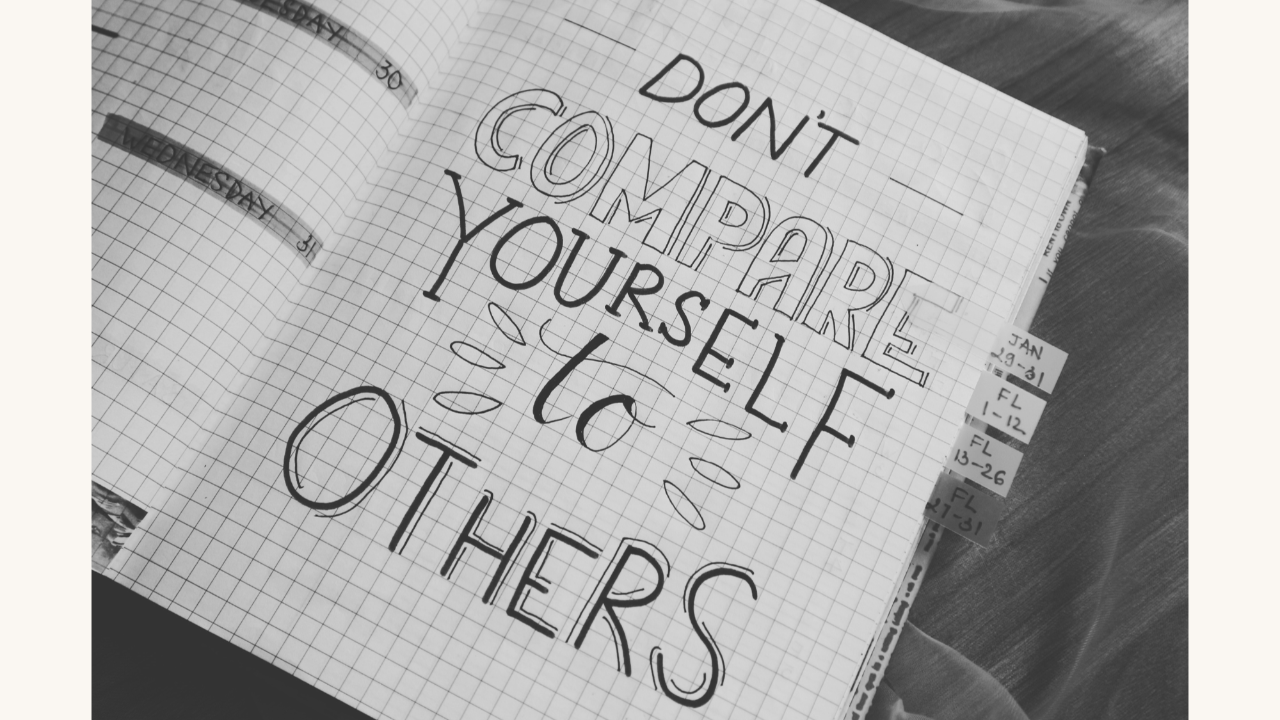
Society hands most women a specific picture of what a happy, successful life looks like. And it's very specific. A relationship by a certain age. Children. A career that sounds impressive. A body that meets a certain standard. A home, a lifestyle, an appearance, a set of achievements that signal to the world and to yourself that you have arrived somewhere worth arriving.
Most women absorb this picture early and spend years measuring themselves against it, often without ever consciously choosing it as their own.
The problem is not that this picture is entirely wrong. Some of those things genuinely matter to some women. The problem is that it is not a universal picture. It was designed by external forces and it reflects external priorities. And for women whose genuine desires don't quite match it, chasing it produces a very specific kind of emptiness. The emptiness of achieving things that were never really yours and wondering why they don't feel the way you expected.
I remember the specific moment when I consciously chose my own definition. When I decided that I choose authenticity over approval. When I stopped trying to build the life I was supposed to want and started honestly asking what I actually wanted. And the life I've built from that moment, which looks nothing like the picture I was handed, is the happiest I have ever been.
Your definition of happiness will not look like mine. That is precisely the point. It might include things the expected picture includes and other things it doesn't. It might look unconventional or different or like something that takes explaining to people who are still operating by the old picture. What matters is that it's genuinely yours. Built from your own values, your own genuine desires, your own honest vision for what a meaningful and fulfilling life actually feels and looks like from the inside.
As we explored in finding success: what is it really, defining what you're actually working toward on your own terms is one of the most foundational shifts available for genuine happiness.
7. Practice Genuine Positive Thinking
I want to distinguish between two things that often get conflated under the label of positive thinking. One is toxic positivity, the forced insistence that everything is fine, that hard things aren't hard, that you should always look on the bright side regardless of what's actually happening. That is not what I'm recommending and it genuinely doesn't work because it bypasses reality.
The other is the deliberate practice of training your attention toward what is genuinely good, beautiful, and working in your life alongside everything that is difficult. This is powerful and it does work because it works with the actual mechanisms of how your mind processes experience.
Your mind cannot absorb everything happening around you simultaneously. It filters. And what it prioritizes filtering for is shaped by the patterns you've established through consistent practice. When you consistently direct your attention toward gratitude, beauty, connection, and abundance, your mind becomes more skilled at finding those things. Not because difficult things disappear. Because you've trained your filter to see more of the full picture rather than only the parts that reinforce fear or lack.
The daily practice of gratitude, of genuinely noticing and appreciating specific good things in your specific life, is one of the most evidence-supported interventions for genuine wellbeing available. The Morning and Evening Reflection Journals I created are built around this practice and designed to help you go deeper than a generic gratitude list into the specific, felt experience of genuine appreciation.
8. Live as Your Authentic Self
Happiness that depends on performing a version of yourself you don't genuinely recognize is always fragile. Because underneath every successful performance is the knowledge that the real you hasn't shown up yet. That the connection being made is with the performance rather than with you. That the approval being earned is for something you're doing rather than something you are.
That knowledge creates a specific kind of hollowness that no external achievement can fill. You can have everything you were told to want and still feel empty inside it if the version of you that achieved it wasn't really you.
Authentic living — making choices that genuinely reflect your values, expressing your real perspective rather than the one most likely to be well-received, building a life that is honestly, specifically yours — produces a completely different quality of happiness. Not because it's easy or because it earns universal approval. Because there is no gap anymore between who you are and who you're performing. And the energy that was going into maintaining that gap becomes available for actually living.
As a life coach specializing in self-love and authenticity, this is the work I find most meaningful and most transformative. The women who do it consistently describe their lives differently on the other side. More genuinely theirs. More genuinely inhabited. More genuinely happy in an ordinary moment than they ever managed to be in the extraordinary ones while they were performing.
9. Acts of Genuine Kindness
There is a specific neurochemical reality to the fact that giving generously makes you happier. Acts of genuine kindness trigger endorphin release, increase serotonin and dopamine, and produce what researchers sometimes call the helper's high. Your brain genuinely rewards you for contributing to other people's wellbeing.
But there's an important distinction worth making here. Genuine kindness, which comes from authentic desire to help and connect, produces this effect. People-pleasing, which comes from anxiety about being disliked or a desperate need for approval, does not. One is an expression of your genuine care. The other is a performance of helpfulness driven by fear. They may look identical from the outside. The internal experience is completely different.
When you give from a full place, from genuine warmth and genuine desire to make a positive difference, something beautiful happens. You feel the connection. You feel your own capacity to matter to someone else. And that experience of your own genuine generosity is itself a source of genuine happiness that has nothing to do with what you received in return.
10. Become More Decisive
Indecision is one of the quietest and most reliable drains on happiness and mental energy. The decision that stays open indefinitely. The choice you're avoiding making. The thing you can't quite commit to or let go of. Each one carries a low-grade ongoing cost in the form of rumination, anxiety, and the exhausting ambivalence of being perpetually in-between.
The reframe that transformed my own relationship with decision-making, and that I share with the women I coach, is this. Instead of trying to make the right decision, shift your goal to simply making a decision.
Most decision paralysis comes from the belief that there is one correct choice out there and that the stakes of getting it wrong are impossibly high. But that belief is not accurate. Most decisions have more than one workable path. And a good decision made promptly almost always serves you better than the perfect decision made years late or never at all.
When you reframe the goal from perfect choice to genuine commitment, the whole experience of deciding shifts. You are no longer searching for the thing that guarantees the right outcome. You are simply choosing and committing and then navigating what comes from that commitment. And the aliveness of being in motion, of having made your choice and stepped into it, produces a specific quality of energy and forward momentum that the suspended state of perpetual indecision never can.
Creating Happiness Is an Active Practice
Genuine happiness is not a passive experience. It's not something that arrives when circumstances finally cooperate or milestones finally line up or the right external conditions finally fall into place.
It is built. Daily. Through the practices in this article and through the ongoing, honest, sometimes difficult work of knowing yourself, loving yourself, and choosing, again and again, to live in ways that are genuinely yours.
I know this from the inside. I spent years waiting for happiness to arrive. And I have spent the years since actively building it. The difference is not in what my life looks like from the outside. It's in how it feels from the inside.
That difference is available to you too. Not at some future point when things look different. Now. In this life. Starting with the choice you make today.
Ready to Build a Genuinely Happy Life With Support?
If you recognize yourself in this article and you're ready to do the real work of building genuine happiness with support, coaching is a powerful space to do that. As a certified life coach for women specializing in self-love and authenticity, helping women create lives that feel genuinely, deeply good from the inside is the heart of everything I do.
Book a free consultation call here. No pressure, just an honest conversation about where you are and what you want next. Or explore my 1:1 coaching packages here.
And if this resonated, these articles might too:
3 Lessons That Brought Me to My Happiest Self at 36
Why Self-Love Is Important and Five Practical Tips
Eight Key Ingredients to Transform Your Life
Happiness is not something you find at the end of a timeline. It is something you build, one honest choice and one genuine practice at a time.
Author